Introduction to Heating, Cooling, and Air
Heating, ventilation, and air conditioning, often just called HVAC, is the system that keeps a home comfortable, healthy, and livable year-round. Whether it is the dead of winter or the peak of summer, families rely on well-functioning HVAC systems to maintain safe indoor temperatures and clean air quality.
At Wickstrom Plumbing, Heating, and Cooling, HVAC makes up the other half of our core services. Just like plumbing, it is an area we have chosen to specialize in so we can build deep expertise, invest in high-quality training, and give our team members a clear, respected career path.
This class will introduce you to what residential HVAC involves, explain the licensing journey in Idaho, and show how we support our apprentices through each step. It is a serious commitment, but one that comes with tremendous opportunities for growth and long-term financial security.
What does residential HVAC cover?
When you step into HVAC work, you are taking on the responsibility of keeping homes warm in the winter, cool in the summer, and ventilated all year long.
Residential HVAC includes:
- Heating systems: furnaces, heat pumps, and ductwork that keep indoor spaces warm and safe when temperatures drop.
- Cooling systems: air conditioners and related equipment that remove heat and humidity during hot months.
- Ventilation systems: ensuring proper airflow to maintain healthy indoor air quality, reduce allergens, and remove moisture.
- Air balancing and testing: making sure each room gets the right amount of heated or cooled air.
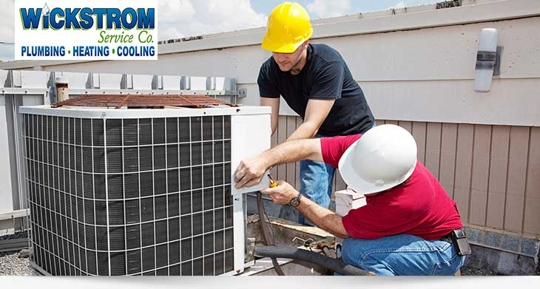
As an HVAC apprentice, you will learn to install, maintain, and repair these systems. You will also get hands-on experience diagnosing airflow issues, checking refrigerant levels, and explaining complex systems to customers in straightforward ways. Some days might involve preventative maintenance to keep systems efficient, while others might be urgent calls when an AC stops working on a 100-degree day. It is work that directly impacts people’s comfort and health.
Licensing requirements in Idaho
Because HVAC systems involve electrical components, refrigerants, gas lines, and combustion safety, the trade is carefully regulated. Here is how the licensing process typically works in Idaho.
Apprentice registration
Anyone working toward becoming a licensed HVAC journeyman in Idaho must be registered with the Idaho Division of Occupational and Professional Licenses (DOPL). This makes sure your on-the-job hours and classroom training count toward your license.
You can find the application process and more details on the Idaho HVAC Board page here.
Classroom instruction and on-the-job training
In Idaho, to sit for the journeyman HVAC exam, you will complete:
8,000 hours of on-the-job training (OJT), typically over about four years, working under licensed journeymen or contractors.
576 hours of approved classroom instruction, which covers everything from electrical fundamentals and refrigerant handling to local mechanical codes.
This is not a short program. It is a multi-year investment in mastering a skilled trade that pays off with long-term career stability and income potential. At Wickstrom, we handle apprentice registration, support your technical schooling, and make sure your day-to-day work exposes you to the full range of HVAC systems and service situations. We believe if you are going to invest years of your life into becoming excellent at something, you should have the right support and guidance every step of the way.
Journeyman testing and continued learning
After completing your required hours and classroom education, you will be eligible to take the Idaho journeyman HVAC exam. Passing means you have proven your technical knowledge, safety awareness, and understanding of state codes, and can work independently.
From there, you will complete periodic continuing education to keep your license active and stay up to date with the latest regulations and technologies.
Why choose HVAC as a career?
People cannot simply ignore a broken furnace in January or a failed AC in July. HVAC is essential, and that means steady, rewarding work. As you build skills in the trade, your pay grows too — often outpacing many office jobs that come with years of college debt.
There is also something deeply satisfying about solving problems that directly improve someone’s quality of life. Restoring heat during a freezing Idaho winter or bringing back cool air on a scorching day is more than technical work. It is a service that keeps families safe and comfortable.
Along the way, you will also pick up skills that last a lifetime, from reading blueprints to troubleshooting electrical circuits. These are abilities you can use on your own home or share to help neighbors and friends.
How Wickstrom supports apprentices
At Wickstrom, we believe in investing in our people. That means:
- Handling your apprentice registration so your work hours are properly documented.
- Signing you up for classroom education so your technical instruction hours build toward your license.
- Pairing you with skilled journeymen who teach you not only how to fix equipment but also how to talk to customers and represent the Wickstrom standard.
- Tracking your on-the-job hours so you stay on pace to test for your journeyman’s license as soon as you are eligible.
The best companies in this industry do not just hand you tools and send you out the door. They teach you, invest in you, and celebrate your growth.
HVAC is just one side of the trades
At Wickstrom, we have chosen to specialize in plumbing and HVAC because these are areas where we can become the best, build deep knowledge, and create outstanding careers for our team. In the next part of this series, we will explore what the typical career paths look like in the trades and how you can grow from apprentice to journeyman to future leader.